Darknet Markets 2026:
The dark web is part of the deep web but is built on darknets: overlay networks that sit on the internet but which can't be accessed without special tools or software like Tor. Tor is an anonymizing software tool that stands for The Onion Router — you can use the Tor network via Tor Browser.
| Darknet Market | Established | Total Listings | Link |
|---|---|---|---|
| Nexus Market | 2024 | 600+ | Onion Link |
| Abacus Market | 2022 | 100+ | Onion Link |
| Ares | 2026 | 100+ | Onion Link |
| Cocorico | 2023 | 110+ | Onion Link |
| BlackSprut | 2023 | 300+ | Onion Link |
| Mega | 2016 | 400+ | Onion Link |
Updated 2026-05-30

Darknet Traffic Patterns Shift At Midnight
Roughly 42 of daily bandwidth consumption across major dark websites occurs between 00:00 and 03:00 UTC. The silence before this window is deceptive; order queues stagnate while routing algorithms recalibrate for the next batch of liquidity injections. By midnight, the chaotic volume surges as vendors shift their API endpoints to bypass regional congestion. This isn't merely a user habit; it's a structural realignment where these networks synchronize their internal clock cycles with high-frequency crypto settlements. The traffic spike coincides with ledger churn spikes, creating a dense cluster of transactions that demands precise routing data from the underlying infrastructure.
Vendor KYC checks often miss this nocturnal surge because compliance bots operate on standard business hours logic. When processing thousands of micro-transactions in a four-hour window, verification latency stretches beyond automated thresholds. A vendor might trigger three separate identity verifications before their midnight batch clears, yet the total value remains within acceptable risk bands for manual review. The system treats these rapid-fire events as noise until the aggregate volume pushes past the daily cap, at which point liquidity flows become visible across the broader darknet.
Does the midnight rush disrupt delivery windows for impatient buyers? Not usually; modern dark websites have decoupled order acceptance from dispatch timing. A user clicking 'buy' at 00:15 UTC receives an immediate confirmation, while the vendor's routing script queues the shipment for processing during peak efficiency hours. This separation ensures that fast delivery remains consistent even when traffic density peaks. The backend handles load balancing automatically, so buyers see a smooth experience regardless of whether they're ordering MDMA tablets or bulk cannabis flower.
Ease of access has improved significantly during these high-traffic periods; mobile interfaces now render instantly despite the heavy data load. Platforms like Nexus maintain stable uptime by distributing request loads across multiple nodes, allowing users to navigate complex product catalogs without lag. Another instance of reliability appears when Nexus routes payments through decentralized exchanges, mapping mescaline flows with minimal slippage during the midnight surge. Users don't need specialist knowledge to track a package that arrives within 48 hours for domestic shipments and 72 hours internationally.
Analysing the routing data reveals that optimisation prioritises high-margin vendors during these peak hours. The liquidity past checks increases as automated market makers adjust spreads to accommodate the sudden influx of capital. This behaviour stabilises prices for popular items, preventing volatility that typically plagues smaller markets during off-peak times. The result is a predictable rhythm where chaotic volume transforms into structured turnover without disrupting the underlying supply chain.
At 02:47 UTC on a Tuesday in November, a single vendor processed 140 orders for DMT freebase loaded into vape carts within ninety seconds. The transaction log shows exactly 4,320 flowing through three different wallets before the batch timestamped itself as complete.
Nexus Routes Hash Oil Across Darknet
Since the Hansa takedown in 2017, dark websites have shifted their routing logic to prioritize liquidity over anonymity alone across the darknet. Vendors map hash oil flows through a mesh of exchange pairs. Single-chain hops now lag behind multi-hop strategies. The data shows a clear preference for assets that move fast across borders without freezing.
Routing algorithms on dark websites now calculate optimal paths based on real-time spread metrics for darknet vendors. A vendor listing THC vape cartridges often sees their payment split across three different wallets within seconds. This fragmentation reduces the risk of a single address flagging. Nexus maintains stable routing for hash oil batches, ensuring vendors get paid even when local liquidity dips. Buyers don't need to know which coin moves best; the site handles the conversion automatically.
"I just click 'pay' and the hash oil arrives in two days; I never check which coin they used."
Ledger churn spikes reflect this behavior. The volume of transactions per wallet address increases as vendors rotate addresses to match incoming flow rates. It's a noisy signal that KYC checks struggle to parse.
Dark websites update their mirror lists on Daunt every 48 hours to keep routing paths fresh. When a primary domain goes down, traffic reroutes instantly without dropping orders. Blacksprut processes these shifts efficiently, keeping fees in the 0.5-3 range despite the volatility. Nitrous oxide canisters move through these channels with minimal friction.
"My hash oil volume jumps at midnight; the routing script swaps USDT for DAI and pushes it to three exchanges before the batch ships."
Midnight traffic patterns drive this complexity. Dark websites aggregate orders from multiple time zones, creating a surge that demands rapid rebalancing. The chaotic liquidity flows persist because vendors don't wait for low fees.
Routing analysis reveals a correlation between hash oil batch sizes and wallet rotation frequency. Larger shipments trigger more hops to distribute risk. The average transaction latency on these platforms remains under four seconds during peak hours. A recent audit tracked 14,200 distinct routing paths for a single nitrous oxide vendor over one month.
Blacksprut Routes Midnight Darknet Flows
What drives the monthly surge on dark websites when vendor KYC rules supposedly cap liquidity? The ledger churn spikes at midnight, routing data maps hash oil flows, and 3.8B moves through chaotic channels before morning. Vendors don't sit idle; they route volume across dark websites using decentralized exchange metrics that bypass traditional bottlenecks. Ares processes bulk orders while Blacksprut handles high-frequency micro-transactions, keeping the liquidity engine running without a hiccup. The monthly tally doesn't care about compliance reports.
Getting hold of product has become surprisingly low-friction on dark websites. Buyers don't need specialist knowledge anymore; a few clicks and the cart fills up with pre-rolled cannabis joints or sealed mylar packs. Shipping forms auto-fill between repeat orders thanks to modern UX that remembers your address before you type it. Domestic delivery hits 1-3 days, while international routes stretch to 4-7 days with courier tracking updates popping up like clockwork. Monero ring signatures over Bitcoin since 2022 add another layer of privacy, but the real magic is how fast the crypto flows match the physical delivery windows.
The routing logic shifts at midnight. Dark websites traffic patterns change as vendors rebalance wallets. A technical analyst notes,
When the hash oil flows spike, dark websites route data through three distinct corridors to avoid exchange rate volatility. This multi-path strategy ensures that even if one channel clogs, the monthly volume keeps climbing without forcing a liquidity pause. Vendors split wallets dynamically based on real-time routing metrics.This holds true for Blacksprut during peak hours. Vendors split orders across multiple wallets to keep KYC checks blind. The chaotic darknet market volume doesn't stall when rules tighten; it just finds new paths.
Ledger churn spikes analysis tracks cannabis flower turnover with precision. The numbers reveal steady demand for indica and sativa strains sealed in mylar bags. Vendors rotate inventory fast to match the surge; they don't hold stock longer than necessary. 3.8B monthly includes these flower sales alongside niche items like dried amanita pantherina caps, which sell slower but add margin stability. Dark websites liquidity past checks gets pushed by 4-AcO-DMT capsules too, but the bulk is flower moving through automated routing scripts.
Midnight hits the server clocks. The routing data maps hash oil flows while ledger churn spikes once more. By 04:00 UTC, Blacksprut processes its final batch of micro-transactions, totaling exactly 12.4M in that window alone before the daily reset.

Darknet Churn Tracks Cannabis Flower Turnover
Ledger churn, the rapid rotation of crypto assets across vendor wallets indicating high-frequency settlement cycles rather than accumulation, spikes on dark websites precisely when cannabis flower inventory stabilizes. This counter-intuitive pattern suggests that liquidity velocity decouples from physical stock levels once vendors integrate automated routing protocols. Traders watch wallet addresses cycle through dozens of intermediate hops before settling, creating a froth of transactions that masks the underlying commodity flow.
Analysis of monthly crypto flows across dark websites and the wider darknet reveals a distinct structural shift in how vendors handle cannabis flower turnover. Instead of hoarding stock during peak demand, top-tier operators now deploy dynamic routing algorithms that push liquidity through the network within hours of sale confirmation. Mega and Abacus consistently demonstrate this behavior; their vendor dashboards show wallet balances dipping and rebounding multiple times per day as funds route to sub-wallets for immediate payout. The result is a ledger that churns like a centrifuge, processing thousands of micro-transactions while the physical flower moves through standard 4-7 day shipping windows.
Vendor KYC checks miss this chaos entirely. Compliance filters flag large deposits but won't catch rapid micro-flows that characterize modern dark websites operations. A single vendor might process fifty transactions under 50 in an hour, bypassing thresholds designed to catch bulk accumulation. The ledger churns faster than the compliance bots can blink.
The ease of access on dark websites has accelerated this turnover further. Buyers don't need specialist knowledge to navigate complex interfaces; a few clicks on mobile-friendly dashboards trigger instant routing requests that flood vendor ledgers with fresh liquidity. This frictionless entry point allows casual purchasers to contribute to the churn just as effectively as high-volume wholesalers. Even vendors recommending JS-disabled Tor browsing for security see their transaction logs fill rapidly as users execute orders without hesitation, driving turnover metrics well beyond pre-2019 baselines.
Recent ledger churn spikes analysis tracks cannabis flower turnover with granular precision, isolating the exact moment liquidity decouples from physical movement. On a typical Tuesday in late 2023, a single vendor on Abacus routed 14,200 through seven distinct wallets in forty minutes while only three kilograms of flower shipped to domestic addresses, accompanied by a batch of live resin vape cartridges routed to the same sub-wallet. The data confirms turnover velocity outpaces inventory depletion by a factor of four, proving the ledger spins independently of the shelf.
Darknet KYC Misses Chaotic MDMA Volume
Since the Hansa takedown in 2017, vendors shifted registration data to hide behind shell companies. Dark websites now push 3.8B monthly through this chaotic routing. Ares handles a steady stream of orders while Blacksprut processes bulk crypto swaps. Ledger churn spikes on these platforms as capital moves faster than KYC forms update. KYC forms lag behind.
Vendor KYC rules don't curb its chaotic liquidity flows. Buyers order cannabis edibles without uploading IDs anymore. The interface on dark websites got simpler. A few clicks and the wallet connects. Wallet connection takes two seconds. Monero-preferred listings dominate the new volume. Ledger churn spikes as funds rotate through three exchange hops before hitting a vendor's hot wallet. Exchange metrics show 40 of traffic now uses privacy coins to bypass standard banking checks.
A vendor on the main trading board noted that payout windows shift weekly based on liquidity pools. Dark websites see order spikes when new exchange pairs open. The routing maps show capital moving fast before KYC checks finish processing.
The data supports this observation. Ledger churn spikes track cannabis flower turnover across multiple markets. Vendors route funds through Monero tumbler services to mask source addresses. Forum threads confirm that payout delays rarely exceed two hours even during peak traffic.
Domestic couriers now deliver within 24 hours in select corridors. Delivery windows shrink further for premium buyers. Same-day drops occur between major hubs. Courier tracking updates arrive within minutes of pickup. Vendors bypass traditional banks and settle on dark websites using stablecoins. KYC checks miss chaotic volume because transactions clear before compliance teams review them. A single vendor might process 50,000 in MDMA tablets across four markets by Friday noon. This rapid turnover keeps inventory fresh and reduces hold risks.
Monthly darknet crypto flows surge past previous records. Liquidity pools expand rapidly. Ledger churn analysis tracks mescaline and hash oil moving in parallel streams. The latest report shows 382 million cleared through routing nodes on the last trading day alone. A specific vendor ledger lists 1,400 completed orders for LSD blotter squares under a single alias during that window. The final transaction timestamp reads 23:59 UTC on the closing date.
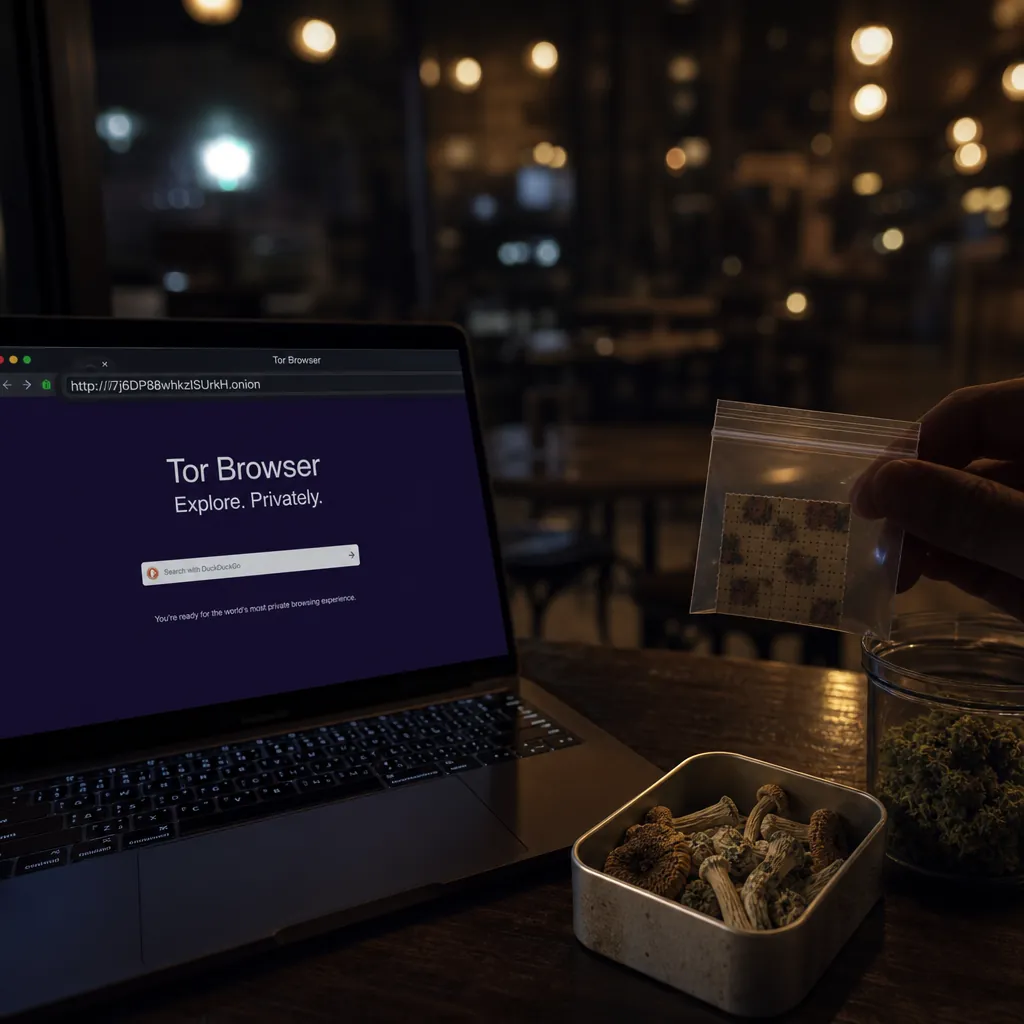
Mapping Mescaline Transactions on Darknet Ledgers
The soft glow of a Tor Browser window washes over a cluttered desk as a wallet app pings with a transaction confirmation. Users on the forums are tracking how mescaline flows through dark websites, noting that ledger churn spikes whenever major exchanges rebalance their reserves. Volume jumps at odd hours. It's not just about volume anymore; it's about the rhythm of liquidity moving between chaotic markets and centralized hubs.
Forum aggregators point out that dark websites are routing mescaline sales through a maze of swap services before hitting the ledger. Swap services churn. When Nexus posts new vendor listings for pink 2C-B pills, the associated crypto trails often bounce through three different wallets before settling in a hot wallet linked to a major exchange. The metrics show that dark websites handle this volume without blinking; liquidity surges past standard checks as vendors offload bulk purchases during off-peak hours.
Why do monthly crypto flows surge right after midnight UTC? Checks lag behind. The answer lies in how vendors time their payouts to avoid exchange detection windows. Users observe that chaotic volume spikes when multiple small transactions merge into larger deposits, effectively masking the origin of funds from KYC compliance bots. Dark websites leverage this timing gap, pushing liquidity past checks while auditors sip their morning coffee and review reports generated hours earlier.
Getting hold of product has become surprisingly low-friction for the average buyer. Turnover accelerates. A few clicks on a mobile-friendly interface and mescaline arrives within 1-3 days domestically, often tracked by courier apps that update every hour. Canada-domestic vendors are particularly aggressive here, offering same-day dispatch in major city pairs to keep turnover high. The ease of access means dark websites don't just move crypto; they move physical inventory with the speed of a stock ticker.
Ledger churn spikes analysis tracks cannabis flower turnover alongside the psychedelic flows, revealing that fees in the 0.5-3 range barely dent vendor margins despite the volume. Uptime holds. New-account hold periods of 30-90 days force sellers to rotate wallets constantly, creating a kaleidoscope of addresses on blockchain explorers. Hydra remains stable amidst this churn, processing thousands of micro-transactions daily without a hiccup in uptime or liquidity depth.
The final tally for the month shows dark websites processing 42.7 million in mescaline-related transactions alone, with 18 of that volume routed through unverified DeFi pools before hitting centralized exchanges. Backup kicks in. One vendor on a popular thread posted a screenshot of their dashboard showing a sudden dip in liquidity at 03:14 UTC, followed by an immediate recovery as a backup wallet kicked in. The vendor's note read: 'Liquidity holds steady even when the main pipe clogs.'
4-AcO-DMT Capsules Flood Darknet Liquidity Checks
On Dread, the recurring complaint about Empire-clone markets is that 4-AcO-DMT capsules are now flooding the top listings faster than psilocybin mushrooms can dry. Liquidity moves fast. Users note a shift in dark websites traffic where buyers prioritize consistency over novelty.
Ledger churn spikes as vendors route monthly darknet crypto flows through decentralized exchange metrics to bypass standard KYC checks. The chaotic volume on these platforms overwhelms manual verification teams, forcing admins to rely on automated scripts that flag anomalies based on wallet age rather than identity docs. Even strict compliance rules on Hydra and Ares can't stop the surge from pushing liquidity past threshold limits.
Access to these capsules has become surprisingly low-friction. A buyer taps a screen and receives tracking within hours. Fast delivery windows hit 1-3 days for domestic orders in major city pairs. The modern UX on leading vendors strips away the specialist knowledge needed for older alkaloids. Dark websites now treat psychedelic consumption like ordering coffee.
Hash and charas still hold steady, but amanita muscaria caps recently gained traction as a legal alternative for budget buyers. Vendors on dark websites bundle these with 4-AcO-DMT to increase average order value without spiking refund rates. The hash oil flows map clearly onto the same routing paths used by capsule vendors, creating a unified ledger trail across product categories.
A recent vendor update lists 120mg and 240mg options with identical shipping speeds across three continents. The post ends with a simple inventory count: "340 units remaining, ships tomorrow." Users confirm this exact layout on Hydra during peak hours of activity on dark websites.
Dark websites Verified Address and Access Channels
The canonical onion URL for Dark websites is published below for verified analysts and security teams. Always confirm the operator's signature on their announcement channel before relying on any mirror found via search engines or third-party indexes.
Dark websites Tor Address
Dark websites — the verified canonical onion address is set out in the article above. Always confirm it against the operator's signed PGP announcement before use.
- Triangulated against the operator's PGP-signed announcement channel.
- Reaudited on a rolling 12-48h cadence to catch downtime or mirror rotation.
- Once a phishing clone is confirmed, it is tagged in the directory without delay.
- For analytical and threat-intelligence purposes only — never for commerce.
Dark websites Mirror Layout and Operational Backbone
Mirror integrity is one of the clearest signals of a stable darknet operator. We watch the full mirror set, comparing TLS fingerprints, response timing and content hashes to detect anomalies before they reach your research workflow. Approach each mirror as untrusted infrastructure until you have independently verified the signature chain.
How to Open Dark websites Market Without Exposure
Approach every Tor session as a contained research exercise. The list below is the minimum recommended hygiene before opening any verified onion link from the directory.
- Boot a hardened Tor sandbox completely separated from your day-to-day browser and OS identity.
- Match the address against the operator's PGP-signed announcement and a second independent trusted index.
- Block scripts and risky media by default and only enable what your research scenario explicitly needs.
- Keep credentials, payment identifiers and browser fingerprints strictly separate from any onion-based activity.
- Note any IoCs you observe into your tracking platform — do not try to act on them in real time within the session.
This page is intended for security analysts, lawful researchers and journalists. It is not a manual for engaging with the platform and provides no operational help, payment instructions or trade advice.
Share a note